
Tooth pain can range from a mild ache to a sharp, throbbing sensation that disrupts daily life. Clinically known as odontalgia, this type of dental pain may stem from decay, infection, or even nerve inflammation deep inside the tooth. Understanding what causes odontalgia and how to treat it can help prevent long-term dental issues.
Learn more about odontalgia, its common causes and symptoms, and explain treatment options—from at-home relief to professional care like root canal therapy. We’ll also discuss when to see your dentist and how the dental services at Columbia Smiles can help relieve pain and restore oral health.
What is odontalgia?
Odontalgia is the clinical term for tooth pain or dental pain. It describes any discomfort originating from the tooth’s inner structures, including the pulp and surrounding nerves. While “odontalgia” and “tooth pain” are often used interchangeably, the medical term can also refer to atypical or chronic cases where pain persists even without clear dental causes.
Pain within a tooth may signal inflammation, infection, or injury. Because these symptoms often worsen over time, identifying and treating the cause early is essential for preventing complications.
Common causes and symptoms of tooth pain
Odontalgia can develop for several reasons, and understanding these causes helps determine the best treatment. Common sources of tooth pain include:
- Tooth decay: Cavities expose nerves, leading to throbbing or sensitivity.
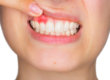
- Gum disease: Inflammation or infection in the gums can radiate pain to the teeth.
- Tooth sensitivity: Receding gums or worn enamel may cause discomfort with hot, cold, or sweet foods.
- Tooth injury or grinding: Cracks, chips, or repeated pressure can lead to chronic pain.
- Phantom tooth pain (atypical odontalgia): Pain that persists after dental work or without visible decay.
Symptoms may include lingering sensitivity, sharp or dull pain, swelling, or discomfort when biting. If the pain persists, it’s time to contact a dentist for diagnosis and relief.
Understanding the 3-3-3 rule for dental pain
The 3-3-3 rule is a simple way to assess whether your toothache requires urgent care. The guideline suggests:
- If pain lasts longer than three minutes after a stimulus (like hot or cold), call your dentist.
- If pain persists for three days or worsens, schedule an appointment immediately.
- If over-the-counter relief doesn’t help within three days, professional evaluation is necessary.
While the 3-3-3 rule isn’t a replacement for diagnosis, it helps patients recognize when discomfort signals a deeper issue needing prompt attention.
Treatment options: From at-home relief to professional dental services
Mild tooth pain may be managed temporarily at home, but ongoing or severe discomfort often requires professional care.
At-home relief:
- Rinse with warm salt water to reduce inflammation.
- Use a cold compress to minimize swelling.
- Take over-the-counter pain medication as directed.
- Avoid extreme temperatures and sugary foods that may worsen sensitivity.
Professional treatments:
- Root canal therapy: When infection reaches the tooth’s pulp, a root canal removes the infected tissue and seals the area to prevent further damage. This common procedure relieves pain and preserves the natural tooth.
- Tooth extraction: For teeth too damaged to restore, extraction may be the best option.
- Restorative care: Fillings, crowns, or bonding can repair minor decay and prevent future pain.
Proper dental treatment not only relieves symptoms but also prevents long-term complications, protecting both oral health and comfort.
When to visit the dentist: Warning signs and urgency
Knowing when to seek professional help is key to preventing serious dental problems. Contact a dentist if you experience:
- Severe or constant throbbing pain
- Swelling in the gums or face
- Fever or bad taste in the mouth
- Pain lasting more than two or three days
Delaying care can worsen infection, damage surrounding teeth, or spread bacteria to other areas. Parents should also watch for tooth pain in children and seek guidance on how to treat toothache for kids from their provider.
If pain escalates or you’re unsure of the cause, schedule a consultation with Columbia Smiles for prompt, personalized care.
Columbia Smiles dental services to fix tooth pain
At Columbia Smiles, we offer a full spectrum of dental services for fixing tooth pain and restoring oral health. Our experienced dentists evaluate the source of discomfort and create customized treatment plans that may include:
- Root canal consultations to preserve natural teeth
- Dental crowns to protect and restore structure
- Gum treatments for periodontal pain or inflammation
- Comprehensive exams to detect and prevent future dental issues
Dr. Michael Hsu and the Columbia Smiles team are dedicated to delivering advanced, comfortable care for every patient.
Preventative measures for oral health and reduced tooth sensitivity
Preventing odontalgia starts with consistent oral hygiene and healthy habits. Follow these steps to maintain strong teeth and gums:
- Brush gently twice a day using a soft-bristled toothbrush and fluoride toothpaste.
- Floss daily to remove bacteria and plaque between teeth.
- Schedule regular dental checkups and cleanings for early detection of decay or gum disease.
- Limit sugary foods and acidic beverages that weaken enamel.
- Avoid teeth grinding or clenching by using a nightguard if necessary.
Good daily care and professional cleanings can significantly reduce the risk of tooth sensitivity and recurring tooth pain.
FAQs about odontalgia and tooth pain
What does odontalgia mean?
Odontalgia is the medical term for tooth pain, referring to discomfort caused by nerve or tissue inflammation inside the tooth.
What are common symptoms of tooth pain?
Symptoms may include sharp or throbbing pain, swelling, tenderness, or sensitivity to temperature changes.
Does atypical odontalgia go away on its own?
Atypical odontalgia, or phantom tooth pain, may persist without treatment. Consulting a professional ensures the correct diagnosis and management plan.
What is the best treatment option for severe tooth pain?
Depending on the cause, root canal therapy or restorative dental procedures may be required to eliminate infection and relieve pain.
How can I temporarily fix tooth pain at home?
Warm saltwater rinses, cold compresses, and over-the-counter pain medications can provide short-term relief until you can see your dentist.
Persistent tooth pain shouldn’t be ignored. If you’re struggling with odontalgia, schedule a visit with Columbia Smiles today by calling 410.690.4855 or completing our online form. Our team provides comprehensive dental services to diagnose, treat, and prevent tooth pain—helping you return to a healthy, comfortable smile.