Dental restorations like dental crowns, dental implants, and veneers can strengthen your smile and improve how your teeth look and function. With the right care, these treatments can stay comfortable and natural-looking for many years. This guide shares simple ways to care for your restorations, prevent damage, and know when it’s time to call your dentist.
What are dental restorations?
Dental restorations repair or replace teeth that are worn, damaged, or missing. They help restore your ability to chew comfortably while also improving your smile.
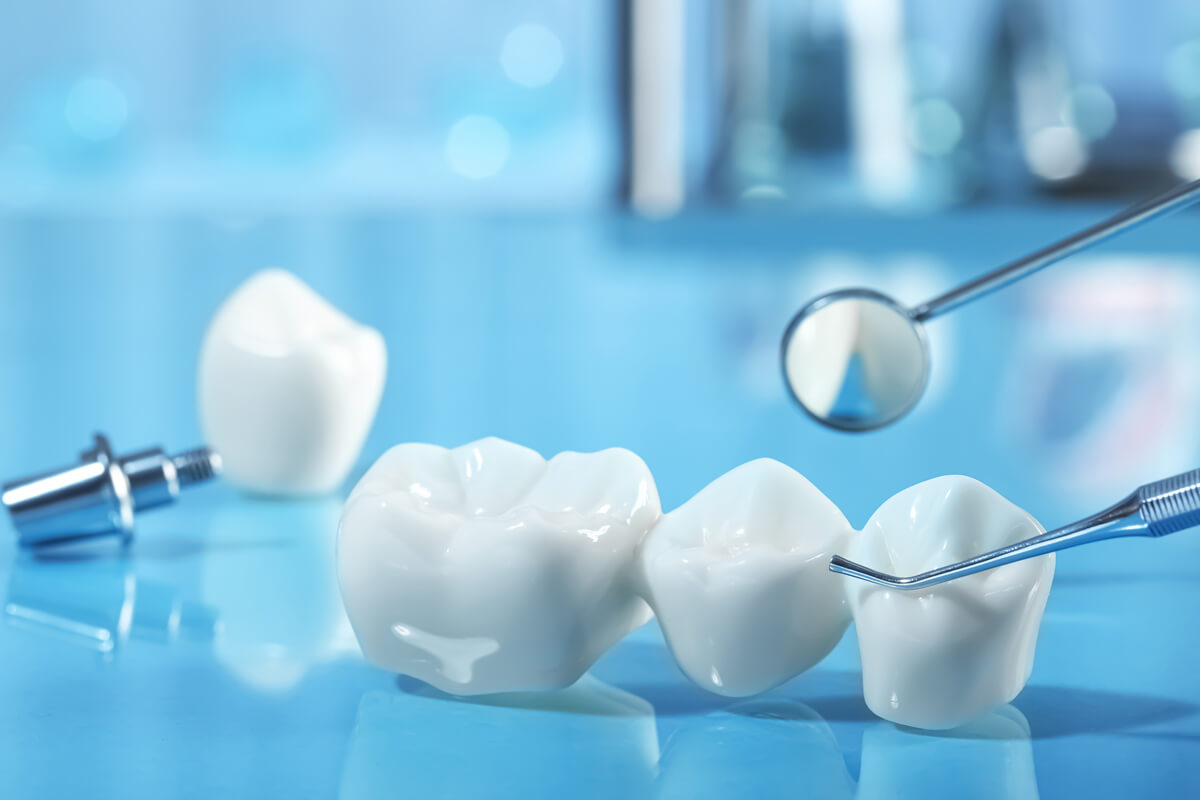
Common restorative dental solutions include:
- Dental crowns to protect and strengthen weakened or broken teeth
- Dental implants to replace missing teeth with a secure, long-term option
- Veneers to improve the appearance of natural teeth
Many people looking for dental restorations in Columbia, MD want reliable, long-lasting results. These treatments play an important role in restorative dentistry by supporting healthy function and boosting confidence.
Caring for dental crowns
Dental crowns cover damaged teeth to protect them from further harm. Even though crowns are strong, they still require daily care.
Here are a few ways to protect your crown:
- Brush with a soft toothbrush and a non-abrasive toothpaste
- Floss around the crown every day to remove plaque
- Avoid chewing very hard foods, ice, or pens
- Pay attention to any looseness, sensitivity, or rough edges
If a crown chips or becomes uncomfortable, it’s best to schedule a check-up. Fixing a minor issue early can help prevent cracked or broken teeth.
Maintaining dental implants
Dental implants replace missing teeth with a strong, secure foundation. An implant has a post—often titanium—that supports a natural-looking crown.
To keep implants healthy:
- Clean around the implant post gently with a soft toothbrush
- Floss daily or use an interdental brush
- Avoid habits like biting hard objects or grinding your teeth
- Keep your gums healthy with regular cleanings and exams
Patients often ask about implant guidelines, or the typical pricing. Because implant needs vary, the best way to understand costs for dental implants in Columbia, MD is through a personalized consultation.
Healthy gums and bone support long-term implant success, so routine visits are an important part of care.
Tips for caring for veneers
Veneers are thin, custom-made shells that enhance the appearance of natural teeth. With proper care, veneers can last for many years.
To protect your veneers:
- Brush with a non-abrasive toothpaste to protect the surface
- Limit stain-causing drinks like coffee, wine, and soda
- Avoid biting into hard foods that may chip the veneer
- Call your dentist if a veneer feels loose or becomes damaged
Veneers are designed to blend with your natural smile. Good dental habits help preserve their smooth, polished look.
General maintenance tips for dental restorations
Good overall dental habits support restorations of every kind.
Helpful maintenance tips include:
- Brush twice a day and floss daily
- Use mouthwash if recommended by your dentist
- Limit sugary or acidic foods that can wear down enamel
- Watch for signs of gum disease or jaw discomfort
- Visit your dental office regularly so the dental team can monitor both your restorations and your natural teeth
Protecting the health of your gums and surrounding teeth is just as important as caring for the restorations themselves.
When to consult your dentist
Some changes call for prompt attention. Schedule an appointment if you notice:
- A crown, veneer, or implant crown that feels loose
- Discomfort when biting or chewing
- Red, swollen, or bleeding gums
- Spaces forming between a restoration and your natural teeth
- Chips, cracks, or visible wear
Early visits help prevent minor issues from turning into major problems. Regular checkups keep your smile comfortable and functioning well.
Cost and insurance considerations
Restorative dentistry costs can vary based on the type of treatment, materials used, and the number of teeth involved. Some aspects of restorative care may be covered by dental insurance, especially when the treatment is needed for functional reasons.
Patients are encouraged to:
- Ask about coverage through major dental insurance providers
- Request a clear estimate during their consultation
- Explore payment plans if needed
A personalized treatment plan is the best way to understand cost, timing, and options for care.
The Columbia Smiles experience
Columbia Smiles provides restorative and cosmetic care with a focus on long-term comfort and a natural appearance. Dr. Michael Hsu works closely with each patient to create a plan that meets their goals and supports overall dental health.
The practice has been recognized by Howard Magazine as “Best Dental Practice” 19 times, with additional Honorable Mentions—a reflection of decades of trusted care in the Columbia, MD community.
If you’re maintaining existing restorations or thinking about new treatment, the team is here to help you keep your smile healthy and confident.
Maintain a healthy smile with expert care
Caring for dental crowns, implants, and veneers doesn’t have to be complicated. With daily habits, regular checkups, and prompt attention to changes, your restorations can last for many years. To learn more or schedule a visit, call our office at 410.690.4855 or contact us online.
FAQs
How long do dental crowns last?
Most crowns last 10–15 years or longer with good brushing, flossing, and routine dental visits.
Can veneers stain?
Porcelain veneers resist stains well, but the natural teeth around them can still discolor. Regular cleanings help keep your smile bright.
How do I clean around a dental implant?
Use a soft toothbrush and floss or an interdental brush to clean around the implant post. Your hygienist can demonstrate the best technique.
What should I do if my crown feels loose?
Schedule a visit soon. A loose crown can allow bacteria to enter, which may lead to decay or damage.
Can a chipped veneer be repaired?
Minor chips can sometimes be smoothed or repaired. More significant damage may require a replacement veneer.
Do dental implants ever need to be replaced?
Implant posts often last for decades with proper care. However, the crown on top may need replacement over time.
What affects the cost of dental restorations?
Material type, number of teeth treated, and case complexity all play a role. A consultation offers the most accurate estimate.
Can I eat normally with crowns, implants, or veneers?
Yes. Just avoid chewing ice or very hard foods, which can stress restorations.