Crowns and bridges are types of dental restorations that repair damaged or missing teeth and help create a natural bite. In this guide, you will learn how dental crowns and dental bridges work together, from initial consultation and digital impressions to a custom temporary crown and the final restoration. We will also explain the importance of high quality materials and proper care.
What are dental crowns and bridges?
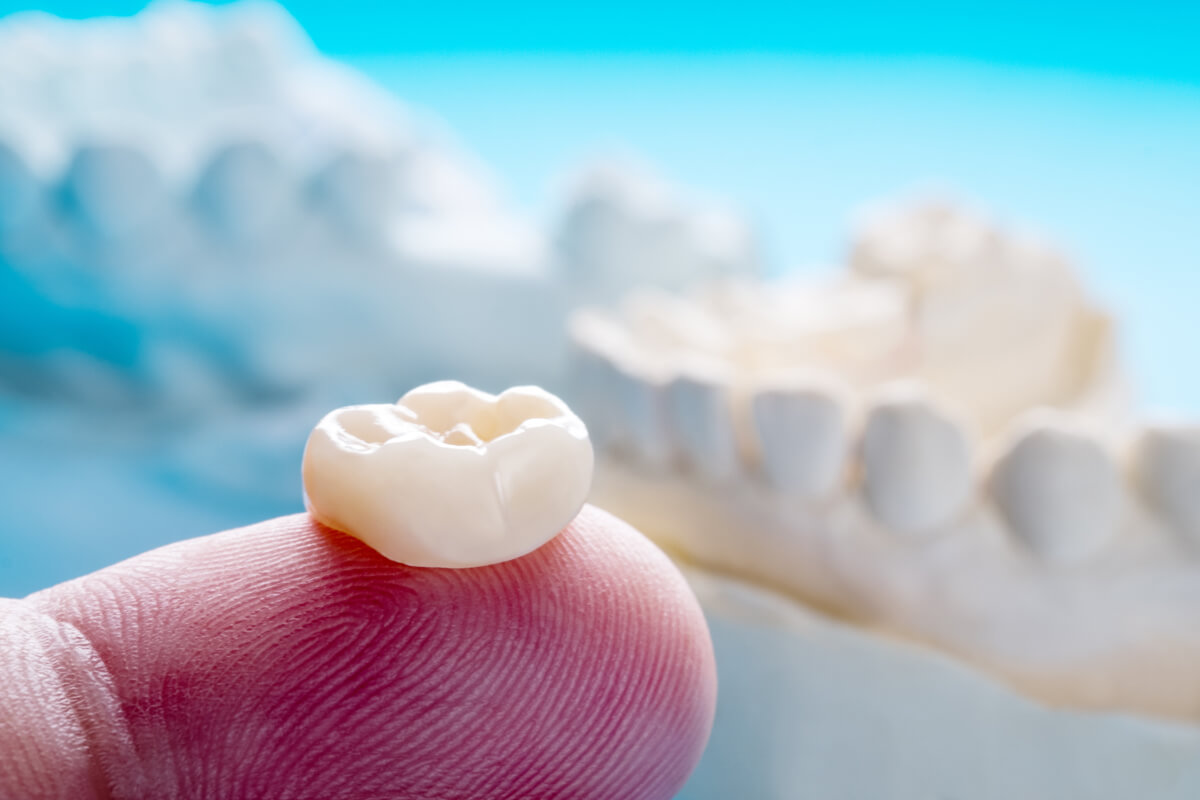
A dental crown is a tooth-shaped cap that fits over a prepared tooth to restore strength, shape, and appearance. Dentists use crowns when a tooth is cracked, worn, or otherwise in need of repair and protection.
A dental bridge replaces one or more missing teeth by using surrounding crowned teeth as supports to anchor fully artificial teeth into the gap.
Used together, crowns and bridges secure natural tooth structure and create durable, attractive results. Crowns and bridges protect the teeth underneath while restoring your smile and your ability to chew food normally.
When you need crowns and/or bridges
Crowns are recommended when there is extensive dental decay or trauma that leaves damaged teeth weak, and a filling is not enough to solve the problem. Bridges help when a missing tooth leaves a gap that affects chewing and appearance. In many cases, crowns save the remainder of the tooth underneath a damaged surface, then a bridge uses those crowned teeth to support replacement teeth. The result anchors the artificial teeth to limit shifting, and improves appearance and function.
Saving existing teeth with crowns when possible can avoid the need for dental implants. If implants are needed because the teeth cannot be saved, those implants can also be used to hold a bridge that fills in a gap between the implant-supported teeth.
The process from initial consultation to final restoration
A quick overview of the process of tooth restoration using crowns and bridges:
- Initial consultation and planning: Your dentist examines each tooth, reviews X-rays, discusses treatments, and confirms the process that best fits your goals.
- Digital impressions: Modern scanners capture precise digital impressions. These improve comfort and accuracy compared to the classic putty molds, and help achieve a perfect fit.
- Tooth preparation and provisional phase: The dentist shapes the tooth, then places a temporary crown to protect it while the lab fabricates your custom restoration.
- Fabrication: Skilled technicians use CAD/CAM design to mill or layer materials for a crown and/or a well-designed bridge that blends seamlessly with natural teeth.
- Placement and adjustments: At the next visit, the dentist checks contact, bite, and shade to make sure everything is working well and looking good, then uses dental cement to secure the restoration. Minor refinements continue as needed after completing the procedure.
If you are ready to discuss tooth restoration solutions in Columbia, MD, call us or book an appointment online today.
Materials and techniques for crowns and bridges
Crowns and bridges can be made from porcelain, metal alloys, or high strength resin. High quality materials increase strength, wear resistance, and aesthetics. Digital impressions and CAD/CAM techniques help create a custom-made restoration that matches natural color and shape. A well-designed bridge should restore function and appearance, support the gums, and blend perfectly with surrounding teeth.
Benefits of crowns and bridges for a healthy bite and smile
The functional and aesthetic benefits of crowns and bridges can make a significant difference in everyday quality of life. For instance, a patient who struggles to chew on one side after a broken tooth notices an immediate difference once crowns and bridges are placed, including smoother function and a more even smile. Likewise, a patient with a missing tooth in a visible spot may feel more confident because their smile is restored and looks natural.
In both cases, these treatments protect weakened teeth, restore chewing function and bite balance, and help keep surrounding teeth aligned to reduce shifting. Crowns, bridges, and, when appropriate, implants, work together to restore damaged or missing teeth and support long-term oral health.
Aftercare and maintenance for long-lasting results
Like natural teeth, crowns and bridges require maintenance for best long-term results.
- Brushing and flossing: Brush twice daily with a soft brush, clean under bridge pontics (artificial teeth) with floss threaders or water flossers, and ask your dentist about using super floss around the gumline.
- Habits and wear: Avoid chewing ice or hard candies, which can chip ceramic. Use a night guard if you clench or grind your teeth, to limit wear.
- Visits: Keep regular checkups so your dentist can monitor how things are going and perform professional cleanings.
- Everyday tips: Use a fluoride toothpaste, avoid excessive force on a restored tooth, and call right away if you notice mobility or a change in bite.
Choosing crowns and bridges in Columbia, Maryland
Choosing experienced dentists means access to advanced scanning, careful shade matching, and customized planning. Personalized treatments help restore natural tooth function and aesthetics, and local follow-up care supports the long life of your restorations. Keeping your dental work close to home in Columbia simplifies scheduling and support.
To learn more, explore our crowns and bridges services in Columbia. For complex bite rebuilding, learn how prosthodontics coordinates multi-tooth treatments and implants. If you are ready to get started, reach out to Columbia Smiles today and take the next step toward a healthier smile.