
Publish date: August 2026
Last reviewed: September 30th 2026
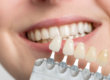
Teeth whitening is one of the most popular cosmetic dentistry procedures performed. Many individuals are unhappy with the look of their smile due to yellowed, stained, or discolored teeth. If you’re ready to remove your stains, giving you a bright, white smile, it’s time to understand the best teeth whitening procedures available today.
Whether you choose teeth whitening in your dentist’s office or one of the many over-the-counter teeth whitening options available, your selection will ultimately determine the outcome. In-office teeth whitening is typically the best choice. To discover the confidence-boosting benefits of teeth whitening—call your dentist today at 410.690.4855.
Key takeaways
- Professional whitening includes both in-office treatment and dentist-supervised take-home trays.
- In-office whitening offers the fastest professionally controlled option, while supervised take-home trays provide a gradual alternative with a custom fit.
- Whitening strips and other manufactured products may help with mild discoloration, but they usually take longer and offer less customization.
- DIY acids, charcoal, and improvised mixtures have limited evidence supporting them and may irritate gums or wear away tooth surfaces.
- Temporary tooth sensitivity and gum irritation can occur during whitening, especially with stronger products or poorly fitting trays.
- Whitening results are not permanent. Food, drinks, tobacco, oral care, and the treatment method affect how the color holds over time.
- What is teeth whitening, and what are your options?
- In-office and professional teeth whitening
- At-home and over-the-counter whitening options
- Natural and DIY whitening methods: Do they work?
- Which teeth whitening method is actually best?
- Is teeth whitening safe? Sensitivity and side effects
- How long do teeth whitening results last?
- Frequently asked questions
- Find teeth whitening services in Columbia, MD
What is teeth whitening, and what are your options?
Teeth whitening, also called teeth bleaching or dental whitening, changes the color of natural teeth. Surface, or extrinsic, stains collect on enamel from coffee, tea, red wine, tobacco, and other sources. Intrinsic discoloration develops within the tooth and may be related to aging, injury, tooth development, or other causes. Whitening agents such as hydrogen peroxide and carbamide peroxide break down colored compounds in the tooth, but the type of stain affects how well treatment works.1
Common teeth whitening methods include:
- In-office and professional whitening: Performed or supervised by a dentist with a treatment selected for your teeth.
- At-home and over-the-counter whitening: Manufactured strips, toothpastes, pens, and trays designed for consumer use.
- Natural and DIY methods: Household substances and folk remedies that often have limited evidence or added risks.
Whitening is different from a dental cleaning. A cleaning removes plaque, tartar, and some surface stains. It doesn’t bleach the natural color of your teeth. A dentist may recommend a cleaning before cosmetic teeth whitening so the treatment begins on a clean surface.
In-office and professional teeth whitening
Professional whitening can happen in the dental office or at home under a dentist’s supervision. With professional teeth whitening in Columbia, MD, the first step is an evaluation. Your dentist can look for decay, gum irritation, worn enamel, existing sensitivity, and restorations that could affect the plan or the final shade.
During in-office treatment, the dental team protects the gums and applies a whitening gel to the teeth. Professional products may use stronger peroxide concentrations than over-the-counter products, which allows the process to be closely monitored and completed on a shorter schedule. This option often fits patients who want a faster change or prefer to have the application handled for them.
A dentist-provided take-home kit is another professional option. Custom trays help distribute the whitening gel and limit contact with the gums, while the dentist provides a concentration and wear schedule for your needs. This treatment option is more gradual than an in-office visit whitening, but it combines at-home convenience with professional guidance. A systematic review found that professional in-office and supervised at-home bleaching approaches can both change tooth color; results, relapse, and sensitivity vary with the treatment protocol.2
Whitening agents lighten natural tooth structure, not crowns, veneers, tooth-colored fillings, or implants. If you have visible dental work, talk with your dentist before whitening so you understand whether the shades may look uneven and whether another cosmetic plan makes more sense for you.
At-home and over-the-counter whitening options
At-home whitening refers to over-the-counter whitening products that are manufactured with controlled ingredients and directions for use, such as whitening strips, gels, or other store-bought treatments.
These products may help with mild staining or gradual whitening, but their strength, fit, and contact time aren’t customized like professional whitening treatments. If you choose to use these products, always follow the package directions, and stop using the product if you experience significant tooth sensitivity, pain, or gum irritation.
Common over-the-counter options include:
- Whitening strips: Thin peroxide-coated strips bleach the teeth over a series of applications. Even placement matters, and strips may not contact every tooth surface equally.
- Whitening toothpaste: Abrasive ingredients remove some surface stains. Some formulas include low levels of peroxide, but toothpaste generally does not change deeper intrinsic color as much as a bleaching product.
- Whitening pens: A peroxide gel is painted onto selected tooth surfaces. Coverage and contact time can be difficult to keep consistent.
- Prefilled or LED trays: These kits hold whitening gel against the teeth. The peroxide is the whitening agent, while research has not consistently shown that adding light improves whitening results.3
The American Dental Association (ADA) notes that over-the-counter products use lower peroxide concentrations than most in-office or dentist-prescribed methods. Products with the ADA Seal have met the association’s requirements for safety and effectiveness when used as directed.1
If you’re comparing the best teeth whitening products or kits, look beyond the product category. Consider whether you have sensitive teeth, gum problems, decay, exposed roots, or restorations. Scheduling a dental evaluation can help you avoid spending time on a product that won’t address the cause of your teeth’s discoloration.
Natural and DIY whitening methods: Do they work?
People looking for natural teeth whitening options may come across household remedies instead of products made and tested for oral use. Common examples include baking soda, household hydrogen peroxide, activated charcoal, oil pulling, lemon juice, vinegar, and fruit mixtures. Evidence supporting these methods is limited, and any visible improvement may come from removing surface stains rather than actually bleaching the teeth.
Baking soda is mildly abrasive and may help remove some surface stains when it’s included in a properly formulated toothpaste. A homemade baking soda mixture doesn’t reliably bleach the inner color of a tooth. The ADA also reports insufficient evidence that charcoal products whiten natural teeth with adequate safety and effectiveness, and acid-containing fruit or vinegar methods can expose teeth to unnecessary erosion risk.1
Hydrogen peroxide is a common whitening ingredient, but how it’s used matters. The concentration, formula, contact time, and protection of the gums can all affect safety and results. Household hydrogen peroxide is not the same as a whitening product made for oral use or a dentist-directed gel. Using it on your own may irritate the gums, lead to uneven whitening, or encourage overuse if results are slower than expected.
The main risks of unsupervised DIY whitening include:
- Enamel wear or surface damage from abrasive or acidic ingredients
- Gum irritation from peroxide or poorly controlled application
- Uneven color where mixtures don’t contact teeth consistently
- Overuse caused by uncertain strength, timing, or slow results
- Delayed dental evaluation when discoloration is related to decay, trauma, or another oral health concern
For a lower-cost at-home approach, choose a manufactured product, follow its directions, and ask your dentist whether it fits your oral health. Avoid using DIY recipes as a substitute for an exam when one tooth darkens suddenly, or your teeth or gums are painful.
Which teeth whitening method is actually best?
For patients who want faster results and professional oversight, in-office whitening may be a good option. A dentist can evaluate the type of staining, protect the gums, apply the whitening treatment, and adjust the approach if sensitivity occurs. Dentist-supervised take-home trays may be a better fit for patients who prefer a more gradual whitening process with custom trays and professional guidance.
There’s no single best teeth whitener for every person. Research shows that both in-office and supervised at-home professional methods can be effective, and some studies have found comparable final color change. The practical advantage of in-office whitening is speed and direct supervision, not a guarantee that it will always produce the longest-lasting result.2
Over-the-counter whitening strips or trays may be a good option for mild stains and a smaller budget if your teeth and gums are healthy. Whitening toothpaste is mainly designed to remove surface stains. Natural or DIY whitening methods tend to be less predictable because their ingredients and application are not as controlled. When comparing options, consider how quickly you want results, the level of professional oversight, tray fit, tooth sensitivity, existing restorations, and cost.
Whitening methods at a glance
| Method | Relative cost | Typical timeline | Effectiveness |
|---|---|---|---|
| In-office professional | Highest cost; request a current estimate | Fastest; often completed in one or more office visits | Strong, controlled whitening for suitable natural teeth; results vary |
| Dentist-provided take-home kit | Mid-to-high cost; request a current estimate | Gradual use over days or weeks, depending on the prescribed system | Effective professional option with custom fit and supervision |
| OTC strips or trays | Lower cost | Repeated applications over days or weeks | May improve mild discoloration; coverage and results vary |
| Whitening toothpaste | Lowest cost | Ongoing brushing | Primarily removes surface stains; limited effect on deeper color |
| Natural or DIY methods | Low product cost | Unpredictable | Limited or insufficient evidence for many methods; avoid acids and uncontrolled mixtures |
Is teeth whitening safe? Sensitivity and side effects
Teeth whitening is generally considered safe for appropriate patients when products are used as directed. The most common side effects are temporary tooth sensitivity and gum irritation. Sensitivity can happen when peroxide reaches the sensitive tissue inside the tooth. Higher peroxide concentrations, longer treatment times, and poorly fitting trays may increase discomfort for some people.
If you’re considering teeth whitening for sensitive teeth, a dental exam can help determine which option may be appropriate for you. Depending on the cause of your sensitivity, your dentist may recommend a lower-strength product, shorter treatment times, a slower whitening schedule, sensitivity toothpaste, or another approach. While your teeth are sensitive, it may also help to avoid very hot or very cold foods and drinks.
Sensitivity and gum irritation are usually mild and temporary, but pain shouldn’t be ignored. The ADA advises that irritation can occur when whitening gel contacts the gums and that sensitivity is associated with all forms of bleaching.1
Stop treatment and contact your dentist if you have severe pain, persistent irritation, or a tooth that hurts on its own. Whitening should not be used to cover up pain, decay, cracked teeth, or sudden discoloration. Professional supervision reduces avoidable risks, but no method can promise a completely sensitivity-free experience.
How long do teeth whitening results last?
Teeth whitening results are not permanent. How long they last depends on the original stain, the method used, your oral care, and how often your teeth are exposed to dark pigments or tobacco. Instead of relying on a fixed number of months or years, ask what maintenance is realistic for your treatment and habits.
To help your teeth stay brighter:
- Brush twice a day with fluoride toothpaste and floss daily
- Keep up with regular dental exams and professional cleanings
- Limit tobacco and frequent exposure to coffee, tea, red wine, cola, berries, and other deeply colored foods or drinks
- Rinse with water after staining foods or beverages
- Wait about 30 minutes before brushing after acidic foods or drinks, so softened enamel is not brushed immediately
- Use touch-up products only on the schedule recommended by your dentist or the product directions
Teeth whitening before-and-after results can look different as the shade settles after treatment. Your dentist can document your starting shade, explain the likely response, and recommend when a touch-up is appropriate. Whitening too often can increase sensitivity and irritation, so more frequent treatment is not automatically better.
Frequently asked questions
Baking soda may remove some surface stains because it’s mildly abrasive, but a homemade paste doesn’t reliably bleach the deeper color of a tooth. Choose a tested toothpaste rather than scrubbing with an improvised mixture, especially if you have sensitivity or enamel wear.
Whitening shouldn’t cause severe pain, but temporary sensitivity or gum irritation can occur. If discomfort is significant, lasts after you stop, or affects one tooth more than the others, pause treatment and contact your dentist.
There’s no single timeline. The treatment method, stain type, oral care, tobacco use, and exposure to coffee, tea, wine, and other pigments all affect how long the brighter shade lasts. Your dentist can recommend a safe touch-up schedule based on your results.
It may be, but the cause and severity of the sensitivity should be evaluated first. A dentist may suggest a lower-strength product, shorter wear time, slower schedule, or sensitivity toothpaste, or may advise treating another dental problem before whitening.
Find teeth whitening services in Columbia, MD
If you’re looking for teeth whitening near you in Columbia, MD, start with a provider who offers an evaluation and more than one professional option. Columbia Smiles provides both in-office whitening and dentist-supervised at-home treatment, giving patients a choice between a faster office visit and a gradual plan completed at home.
Led by Dr. Michael Hsu, Columbia Smiles serves Columbia and the surrounding Howard County community at 10630 Little Patuxent Parkway, Suite 104. During a whitening consultation, the team can examine your teeth and gums, discuss sensitivity and existing dental work, and help you decide whether professional teeth whitening at our Columbia office fits your goals.
Call 410.690.4855, book an appointment, or contact Columbia Smiles to discuss your options. Your recommended treatment and results will depend on your oral health, stain type, and cosmetic goals.
Sources:
- American Dental Association (ADA). Whitening. Accessed September 2026.
- National Library of Medicine. Evaluation of the Effectiveness of Different Types of Professional Tooth Whitening: A Systematic Review. Accessed September 2026.
- National Library of Medicine. In-Office Dental Bleaching with Light vs. Without Light: A Systematic Review and Meta-Analysis. Accessed September 2026.