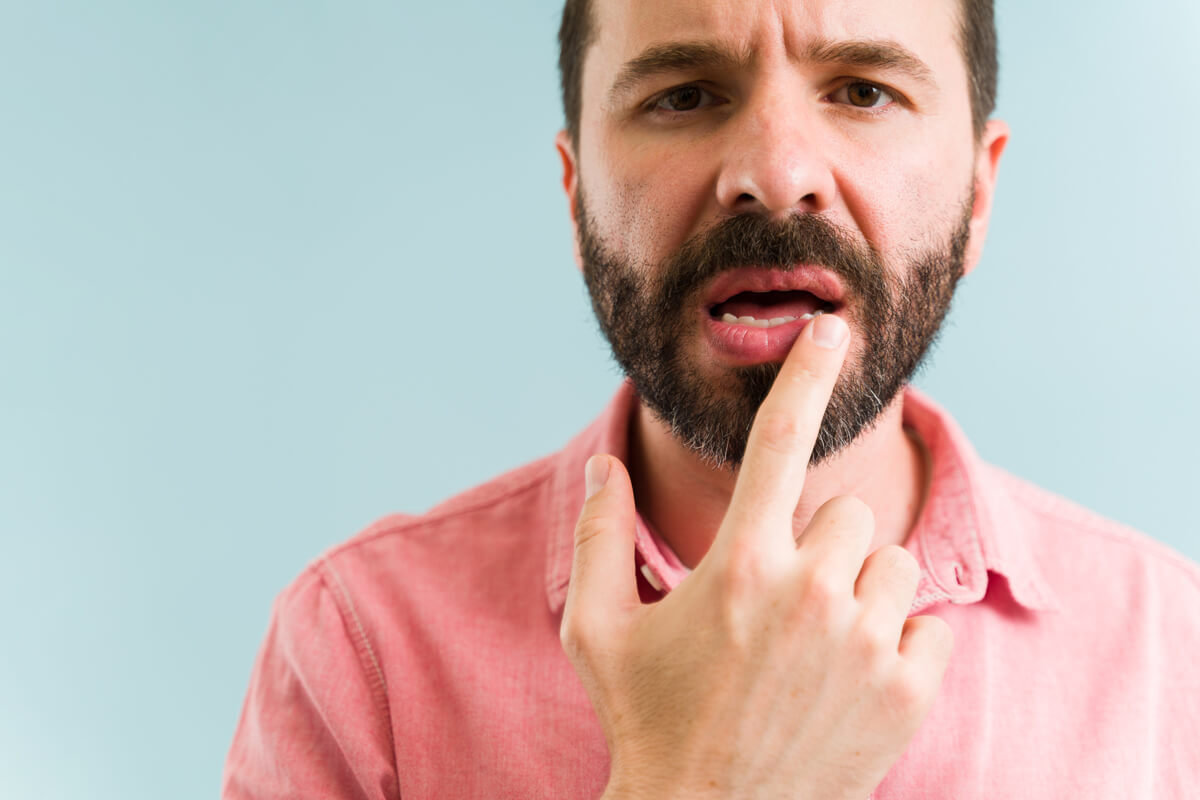
Dry mouth may seem like a minor annoyance, but persistent dryness can raise your risk of tooth decay, gum disease, and oral infections. Dentists refer to chronic dry mouth as xerostomia, a condition that occurs when your salivary glands do not produce enough saliva.
At Columbia Smiles Family Dentistry & Prosthodontics, Dr. Michael Hsu and team help patients identify the causes of dry mouth and manage its effects on oral health. If your mouth frequently feels dry or sticky, understanding the underlying cause can help you protect your teeth and gums.
What is dry mouth?
Dry mouth, or xerostomia, occurs when your salivary glands do not produce enough saliva to keep your mouth properly moist.
Saliva does more than make your mouth feel comfortable. It helps break down food, washes away food particles, and protects your teeth from harmful bacteria. It also contains minerals that help strengthen enamel and prevent cavities.
When saliva levels drop, bacteria can grow more easily in your mouth. Over time, this increases the risk of dental problems such as cavities, gum disease, and oral infections.
Common symptoms of dry mouth
Dry mouth symptoms often develop gradually. Many people notice occasional dryness at first, but persistent symptoms may signal an ongoing issue with saliva production.
Common dry mouth symptoms include:
- A dry or sticky feeling in the mouth
- Frequent thirst
- Difficulty chewing, swallowing, or speaking
- Cracked lips or dry tongue
- A burning sensation in the mouth or throat
- Changes in taste
- Persistent bad breath
If these symptoms occur regularly, your dentist should evaluate your oral health and help determine the cause.
What causes dry mouth?
Dry mouth can develop for several reasons. In many cases, the condition results from medications or underlying health conditions that affect saliva production.
Other factors such as lifestyle habits, aging, and certain medical treatments can also contribute.
Medications that cause dry mouth
Medications are one of the most common causes of xerostomia. Hundreds of prescription and over-the-counter drugs can reduce saliva production.
Examples include medications used to treat:
- High blood pressure
- Depression or anxiety
- Allergies and sinus conditions
- Pain or muscle spasms
Many antihistamines, antidepressants, and blood pressure medications list dry mouth as a possible side effect.
If dry mouth develops after starting a new medication, your dentist or physician may help you explore options to manage the side effect.
Medical conditions linked to xerostomia
Certain health conditions can interfere with normal saliva production.
Conditions linked to dry mouth include:
- Diabetes
- Sjögren’s syndrome
- Autoimmune diseases
- HIV/AIDS
- Nerve damage affecting the head or neck
According to the National Institute of Dental and Craniofacial Research, diseases affecting the salivary glands or immune system can significantly reduce saliva production and lead to chronic dry mouth.
Cancer treatments can also play a role. Radiation therapy to the head and neck may damage salivary glands and reduce saliva production.
How dry mouth affects your teeth and gums
Saliva protects your mouth in several important ways. It washes away food debris, helps neutralize acids produced by bacteria, and supports enamel remineralization.
When saliva levels drop, harmful bacteria remain on the teeth longer. Over time, this can increase plaque buildup and raise your risk of cavities.
People with chronic dry mouth may also develop:
- Gum inflammation or gum disease
- Oral infections such as thrush
- Cracked lips or mouth sores
- Difficulty wearing dentures comfortably
Dentists often see a connection between dry mouth and early dental damage, including signs of tooth decay and gum irritation that may progress if left untreated. Taking steps to prevent gum disease is especially important when saliva levels are low.
Why your dentist needs to know about your dry mouth
Many patients assume dry mouth is simply uncomfortable, but it can signal an underlying health issue or lead to serious dental problems.
When you discuss dry mouth with your dentist, they can evaluate your oral tissues, review your medications, and look for early signs of enamel damage or gum inflammation.
Regular dental visits allow your dentist to monitor symptoms and recommend preventive strategies, including fluoride protection and changes to your oral care routine. Keeping up with regular dental check-ups and focusing on preventive dentistry can help protect your teeth long-term.
Treatment options for dry mouth
Dry mouth treatment focuses on addressing the underlying cause and protecting your oral health.
Depending on the situation, your dentist may recommend:
- Drinking water frequently throughout the day
- Chewing sugar-free gum to stimulate saliva
- Using saliva substitutes or oral moisturizing products
- Avoiding alcohol-based mouthwash
- Using a humidifier at night
Some patients also benefit from prescription medications that stimulate saliva production.
Dentists may recommend additional protective measures, like fluoride treatments, to strengthen enamel and reduce the risk of cavities.
Protecting your oral health with dry mouth
If you experience chronic dry mouth, taking good care of your teeth and gums is extra important.
Helpful habits include:
- Brushing twice daily with fluoride toothpaste
- Using alcohol-free mouthwash
- Limiting sugary foods and drinks
- Staying hydrated throughout the day
- Scheduling routine dental cleanings
Good daily dental hygiene and regular professional care can help prevent cavities and gum disease.
Talk to Columbia Smiles about dry mouth
If you frequently experience dry mouth symptoms, discussing them with your dentist can help identify the cause and prevent long-term dental problems.
At Columbia Smiles Family Dentistry & Prosthodontics, Dr. Michael Hsu and team evaluate oral health, review possible causes of xerostomia, and recommend strategies to protect your teeth. We’ve served patients throughout Howard County for more than 35 years and have earned recognition such as Howard Magazine’s Best of Howard awards for our commitment to comprehensive dental care.
If dry mouth is affecting your comfort or oral health, contact our office at 410.690.4855 or reach out online to schedule an appointment and discuss your symptoms with the Columbia Smiles team.